Need sewer line repair in Akron?
Have a slow drain, a bad smell, or a soggy yard? Send a request and Coolfake Septic will connect you with a local provider who can look at it.
No obligation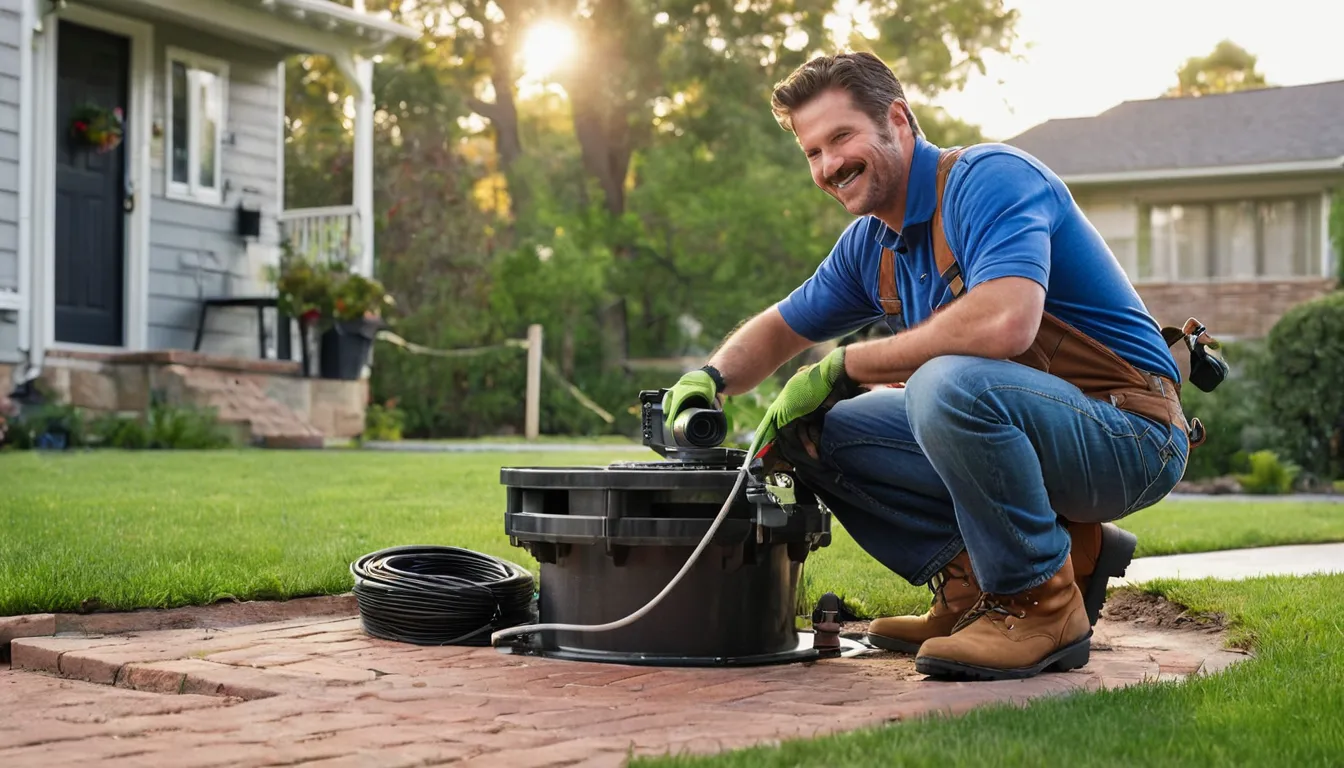
Request a sewer line estimate
A sewer line carries waste from your house to the street or to a septic tank. When it cracks, clogs, or sags, the waste has nowhere to go. You may see slow drains, bad smells, or sewage in the basement. A clog in one sink is a small job. A damaged main line is not.
Coolfake Septic is a referral service. It does not do the work. It explains what you can safely check and where a pro's gear is needed. Then it connects you with an independent provider in the Akron area. That provider can look inside the pipe with a camera, explain your options, and give you a written quote. Acting at the first sign often keeps the repair smaller.
Sewage in a tub, floor drain, or toilet is a health risk. Stay calm. Move in this order.
Stop using sinks, showers, toilets, and the washer. Water you add has nowhere to go but up.
Sewage carries germs. Keep children and pets out of the wet area. Wear boots and gloves if you must step in. Stay away from the power panel if the floor is wet. Know your limits.
Then reach a provider. Request a callback to check provider availability. Many providers can respond quickly to a backup, but hours vary.
Look, then call. A few easy checks help a provider a lot.
If several drains act up at once, the trouble is likely in the main line. That is a job for a pro.
Store-bought drain cleaners rarely help a main line. They can also hurt old pipes and your skin. A rented snake can catch on a broken pipe and make the damage worse.
Digging is risky too. Gas, power, and water lines may sit close to your sewer line.
A provider brings a camera on a cable, a strong water jet, tools to locate the pipe, and digging gear. Those tools find the cause. They stop the guessing.
Small sign, small fix. Watch for these:
One sign may mean little. Two or three together deserve a closer look.
First comes a camera check. A small camera rides down the line and shows cracks, roots, and low spots on a screen. Then the provider marks the damage from above and notes how deep it sits. Ask to see the video.
Not every backup is a sewer line problem. On a septic system, a full tank can look the same. Septic tank pumping or emergency septic cleaning may be the real fix. Soggy ground far from the house may point to the drainfield, the soil area that soaks up tank water. That needs drainfield repair, a different job.
If you also have a private well, tell the provider. Digging near water well service lines takes extra care.
Many towns ask for a permit before sewer digging. You often own the pipe from your house to the street. The town may own the part under the road. Ask the provider who owns which part and who pulls the permit. Utility lines must be marked before any digging starts.
Full basements sit low, so backups show up there first. Heavy storms can overload town lines. Ask about a backwater valve, a one-way flap that stops sewage from flowing back in. Also check your local rules before sending sump pump water into the sewer line.
Some policies may cover sudden damage. Wear and age are often left out. Read your policy and ask your insurer. Providers can often help document damage for a claim.
Digging leaves a mess. Ask who refills the trench, packs the soil, and lays new sod. Soil settles, so ask about a recheck in spring. Lining and trenchless work usually disturb less lawn.
A provider runs a small camera through the pipe to find cracks, roots, and low spots on screen.
Jetting or cutting tools clear roots and grease from the main line.
Fix one broken section, or replace the whole line when damage runs its length.
Where soil and pipe allow, a sleeve or small access holes can spare more of your lawn.
These are typical U.S. ranges. Your price depends on pipe depth, length, soil, access, and repair method. Ask for a written quote before work starts, and compare more than one.
| Item | Typical range | Notes |
|---|---|---|
| Camera inspection | $100 – $500 | Shows the cause and location |
| Jetting or root cutting | $250 – $800 | Clears clogs; may return if pipe is damaged |
| Cleanout installation | $200 – $1,500 | Adds easy access for future work |
| Spot repair | $1,000 – $4,000 | Depth and digging drive the price |
| Pipe lining | $3,000 – $10,000 | Depends on length and pipe condition |
| Full line replacement | $3,000 – $25,000 | Length, depth, and yard work change the total |
Note which drains are slow, any smells, and wet spots in the yard. Write down when it started.
Request a callback to check provider availability, or send the request form with your notes.
The provider scopes the line, explains the cause, and gives a written quote.
The provider fixes the line, refills the trench, and tidies your yard.
Learn what you can safely check and what needs a pro's gear before you spend money.
Coolfake Septic connects you with providers in its network. They do the work, not Coolfake Septic.
Acting on small signs can keep a simple repair from turning into a big dig.
Ask for a written quote and the camera video so you can compare your options.
Have a slow drain, a bad smell, or a soggy yard? Send a request and Coolfake Septic will connect you with a local provider who can look at it.
No obligationLook for several slow or gurgling drains at once, sewage smells, soggy spots in the yard, or a sinkhole. A camera check by a local provider can confirm the break and show where it sits.
You can plunge one fixture and look at the cleanout. A cracked, rooted, or sagging main line needs a camera, jetting gear, and digging tools. Buried utilities make DIY digging risky.
Some policies may cover sudden damage, but wear, age, and roots are often excluded. Check your policy and ask your insurer. Providers can often help document damage for a claim.
Have a slow drain, a bad smell, or a soggy yard? Send a request and Coolfake Septic will connect you with a local provider who can look at it.
No obligation